Trust
You can hit every number while the culture quietly peels off the walls. A business can run that way - for a while. But you'll never build something that outlives you.


For most of my career, the smart money has been on the measurable. Optimize the funnel, instrument the team, trust the dashboard. I've never fully bought it. The one thing I've always bet on is the number that never shows up in a board deck - whether the people around me actually trust each other. It has been my quiet wager the whole way, and it keeps paying out.
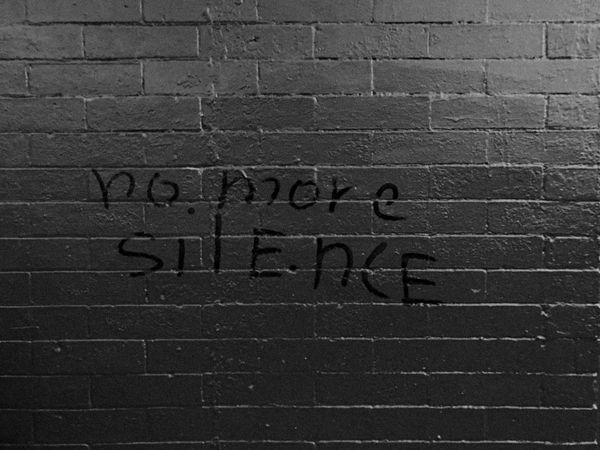
I've seen many companies that have run without it for years. They hit their numbers. The dashboards stayed green while the paint peeled off the walls, revealing the cracks underneath - a culture held together by fear and micromanagement. That isn't leadership. It's just paying high interest on Cultural Debt.
And it's the one bill that always comes due. As I wrote in Moloch, the race to the bottom offers every leader a deal that only makes sense if the game ends this quarter. The single thing that buys you out of that race is the one thing no algorithm can manufacture or fake.
Trust.
The Unmeasurable Thing
In Dare, I argued that everything that matters is hard to measure - that once brand, product, and tech stack have all become commodities, the only real differentiator left is the unmeasurable: making people feel seen and heard. Trust is exactly that kind of thing. There's no conversion rate for it. No dashboard tile. And yet it's the foundation for everything else.
Which is what makes it so easy to neglect. We invest in what we can quantify, defend what we can prove, and let trust quietly erode while we glorify a short-term metric. You don't notice the erosion until someone stops climbing.
Trust Is a Rope
On a mountain, trust isn't a feeling. It's a rope. The person below you holds your fall in their hands, and you climb anyway. The person above trusts you to hold theirs. Neither of you moves without it, and nobody pretends the exposure isn't real.
That's the part leaders forget. Trust runs both ways, and it always starts with you as a leader.
When I feel it, my performance, creativity, and passion thrive. However steep the route, when I trust an organization and feel it trusts me back, I never doubt my ability to deliver, or ours to reach the summit. Take it away and everything changes. I start to question my role, wondering whether going the extra mile is worth the cost.
There's a line an infinite-minded leader can't cross: putting profit before the people in their charge. Profit matters - it's the fuel that lets you care for your team even more. But the moment it outranks them, trust starts to drain. Make people believe they come first, and you create the only conditions in which trust can hold weight.
You Go First
Here's the hard part: you have to trust your team before you ask them to trust you. You do it by showing you need their help, by seeing them, by actually listening.
Which means trust begins with asking. The act of asking connects you to people and makes them want to catch you. It says you're roped to the same face, striving towards the same summit. That's where engagement and a real culture of exchange come from. The opposite is the top-down trap I described in Empower: leaders who won't trust first, so you get micromanagement and a growing sense of insecurity and silence instead.
Asking is not comfortable. It is the most exposed move a leader can make.
“By asking for help, you make yourself vulnerable - like leaning back over the edge and trusting someone else to catch you."
I'd love to say that believing in trust means I've always done this cleanly, but I haven't. There was a stretch - usually when I was deepest in the glorification of busyness - where I held information tighter than I should have, telling myself I was protecting the team from noise. I wasn't. I was gripping so hard nobody else could move. The silence that followed was unmistakable. People don't tell you they've stopped trusting you. They just stop climbing.
The Record
When people trust you, you owe them accountability. Leaders forget that others listen to what they say and that every word sets an expectation. Trust is measured by the record - by whether you make sound calls and step up when it counts. Meet those expectations consistently, and you lead the way toward more of it. Miss them quietly enough times, and it drains away.
This is also where the human work turns urgent rather than optional. As I wrote in Beyond and Dots, AI is absorbing the routine and optimizing at a pace none of us can match. It can plot a route. It will never look someone in the eye and say, "I trust you with this." The more capable the tools become, the more leadership has to step into the gap between humans and machines and do the things no model will do for you.
Earned, Never Declared
For me, trust is what makes the work worth caring about. You can have a good job, a strong culture, real opportunity - but without trust, it all falls flat, like paint peeling off a wall to show the cracks behind it. With it, you get people who willingly help to build what the company believes in. People who feel safe and seen, who go the mile that was never in the job description, because they know everyone is climbing toward the same summit.
A business can run without it - for a while. But you'll never build something that outlives you, and you'll never keep the people who genuinely want to build with you. Not because they doubt what you do - because they doubt why. Be consistent enough that they can anticipate your next move, and you give them the security to commit to it.
Trust isn't declared. It's repaid, one step at a time.
In the next post in this series, I'll follow the rope further - to the thing trust exists to help you carry, the one variable no dashboard can predict: Risk.